

What changes for workers?
Whether you work in a car factory, weld on a construction site, or regularly come into contact with hazardous medicines in healthcare: the new rules aim to limit exposure to carcinogenic substances as much as possible. Specifically, two important changes are being introduced.
First, new European occupational exposure limit values are being established for four carcinogenic substances, including cobalt, a raw material used among other things in battery production. In addition, workers who wear special protective equipment for prolonged periods, such as a respiratory mask, will now be entitled to regular breaks in a non-contaminated area.
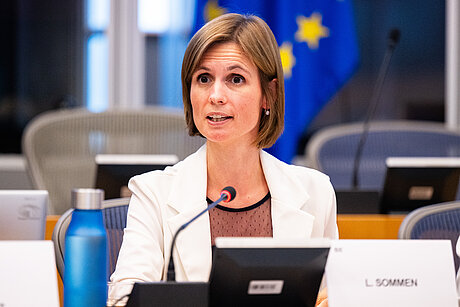
For Sommen, the agreement is about equal protection, regardless of where you work: "A worker in Antwerp deserves exactly the same protection as a worker in Athens or Lisbon. And vice versa. By finally establishing European limit values for a whole range of new substances, including cobalt, we are putting an end to the patchwork of national rules that still too often leaves workers dependent on the country where they work."
The long-term impact is significant. The European Commission estimates that the agreement could prevent approximately 1,700 cases of lung cancer and protect nearly 19,000 people from serious occupational diseases over the next forty years.
Geopolitical importance of raw materials
At the same time, the negotiators took into account an important geopolitical reality. Cobalt is a critical raw material for batteries, the energy transition, and the European defence industry. Research by KU Leuven furthermore indicates that demand for cobalt in the EU could increase by as much as 350 percent by 2050 compared to current usage.
"If Europe wants to strengthen its strategic autonomy, we must therefore ensure that the processing and production of these raw materials remain anchored in Europe", says Sommen.
That is precisely why, according to her, it was essential to strike a balance between better protection of workers and maintaining a strong industrial base in Europe. "Rules that are too strict without sufficient guidance risk displacing production to countries where workers are less well protected and labour standards are lower. This agreement combines better protection of workers with attention to the competitiveness of our industry and the preservation of European jobs", she concludes.
Next steps
The agreement will be put to a vote in the European Parliament in the autumn. After that, the Member States must still implement the legislation within two years.